The Digital Age of Warfare: Social Media’s Role in Modern Conflict

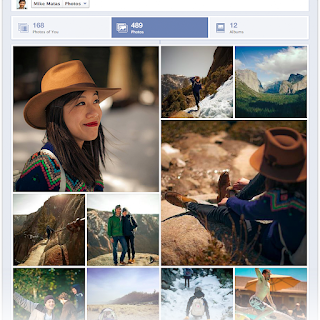
Facebook: The Dawn of Digital Albums
Facebook turned to a digital haven to create visual memories during the early days of social media. It was a seamless transition from flipping photo albums to virtual photo albums. This transition served as a digitalized family reunion encompassing a photo album, framed photos, the collage, and the box with a shareable feature to add easiness. Facebook took inspiration from Irving Goffman’s theatrical metaphor to amplify sociality as users turned to actors on the digital landscape by carefully choreographing their personas for public profiles. People started crafting digital narratives that unfolded across posts and tagged photos by presenting a blend of conscious and unconscious performances. Similar to the “definition of the situation” by Goffman, people worked together to give meaning to social media. They participated in creating a narrative by sharing experiences and visual storytelling. They also worked to prevent disruptions and strived to develop socially acceptable and understandable personas.
Instagram: Rise of Filtered Stories
The artistry of Instagram raised the art of photography to a new level. The platform eliminated the need for albums by shifting from image memorialization to a more transient and communicative engagement. The artistic frames appealed to users by invoking their aesthetic sensibilities. This visual renaissance created the trend of selfie images, which became a phenomenon. Miller called it a canvas to craft the self. However, taking selfies provided a way to break societal norms creatively without feeling obligated to fit conventional beauty standards.

Snapchat: The Ephemeral Symphony
Snapchat is blamed for disrupting the narrative because it shattered concepts of conventional photography with its limited lifespan of photos. It transformed photos from memorialization to a chat tool, highlighting the transient nature of digital communication. This phenomenon is also a migration from text to visuals because images become a conversation currency. In addition, filters have become ubiquitous on social media platforms, especially Instagram and Snapchat, adding to the quest for physical perfection—filters define new beauty standards amid altered images, urging some to emulate them through plastic surgery. Consequently, the line between the real and virtual is continuously blurred because people started preferring an idealized version of themselves. But posting casual snaps on social media doesn’t qualify as authentic photography as genuine photographers understand the art as they master the concept of lighting, speed of shutter, and composition. One must agree that there is a visible difference between a well-composed photograph and a pixelated image using filters, as the human brain recognizes and appreciates aesthetic appeal.
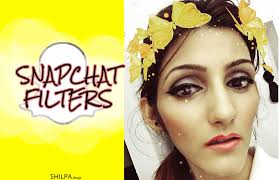
Figure 4: (Shilpa Ahuja, 2018)
The fascinating journey of photographic evolution within the social landscape from Facebook’s digital albums to Snapchat’s ephemeral symphony is swift, where selfies turned into a canvas for self-expression. This transformation blurred the delicate difference between creative breaching and conforming pressure. Filters influenced beauty standards, resulting in a surge in plastic surgery and creating a quest for self-perfection.
Adam Lowe, a professional photographer, is optimizing the evolution of photography using smartphones. Another expert, Jackie Mantey, said that Instagram played a critical role in his innovativeness as he got inspiration from photos taken by his clients. In short, evolution must not make someone uncomfortable as change is unsettling, while people usually prefer to stick with traditions and familiar things. Nevertheless, photography has evolved, similar to other forms of media, but quickly due to massive digitalization. Let these transformations evolve toward new and innovative expressions of art rather than resist the flow and hinder development. The fact is, the era of social media and connectivity will keep transforming photography. In times of change, one can either stay back by lamenting that photography is declining or embrace new opportunities to innovate and grow by creating the most accurate artistic world.